Dental Consultation: What to Expect
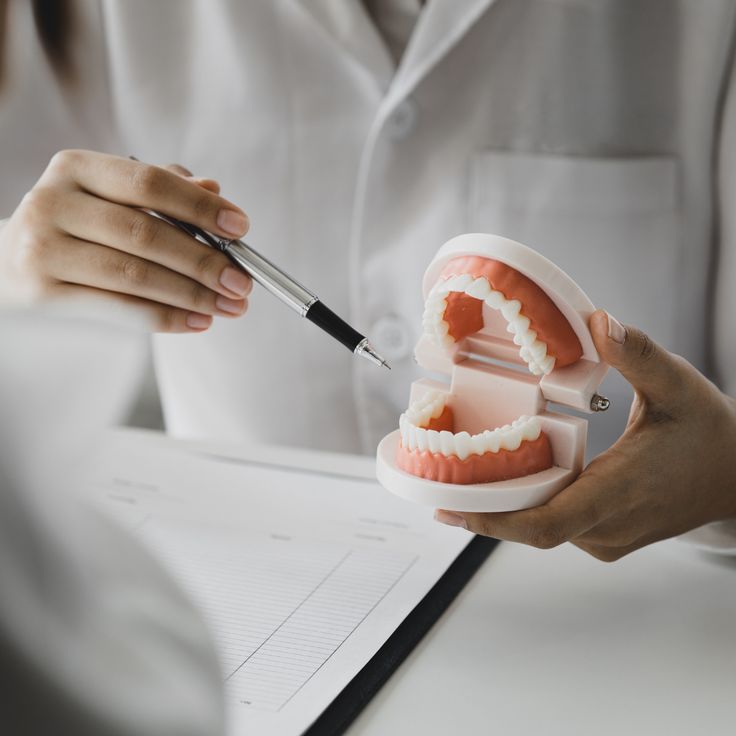
During a dental consultation, your oral health is evaluated and the next steps in your care are discussed. Every patient has different needs, so each consultation may vary. However, most dental consultations follow a similar general process.
This guide explains what usually happens during a dental consultation, how the dentist reviews your condition, and how a treatment plan may be created.
What Is a Dental Consultation?
A dental consultation is an appointment where the dentist evaluates your oral health history, examines your teeth and gums, may recommend diagnostic imaging, and discusses possible treatment options.
The main goals of a consultation are to evaluate, diagnose, and plan. Treatment may or may not be done on the same day, depending on the situation.
Step 1: Discussion of Your Concerns
The consultation usually begins with a conversation. The dentist may ask why you are visiting the clinic and what concerns you currently have.
You may be asked if you are experiencing pain, sensitivity, discomfort, difficulty chewing, or any other dental issue.
This discussion helps guide the examination and allows the dentist to focus on the concerns that are most important to you.
Step 2: Dental Examination
After discussing your concerns, the dentist will examine your teeth, gums, and other oral structures.
The examination may include checking for:
- Tooth decay or cavities
- Tooth wear or damage
- Cracks or fractures
- Gum inflammation
- Signs of infection
- Bite-related concerns
- Existing dental work, such as fillings, crowns, or dentures
The purpose of the examination is to identify any problems that may need attention. Some findings may require treatment, while others may only need to be monitored over time.
Step 3: Diagnostic Imaging, If Needed
In some cases, the dentist may recommend X-rays or other diagnostic imaging. These images help the dentist see areas that may not be visible during a regular visual examination.
Diagnostic imaging may help identify:
- Cavities between teeth
- Bone support around the teeth
- Infection or hidden dental concerns
- Areas that need closer evaluation
Not every consultation requires X-rays. Imaging is only recommended when it can help improve the accuracy of the diagnosis and treatment plan.
Step 4: Explanation of Findings
After the examination and any necessary imaging, the dentist will explain the findings.
This may include:
- Areas that appear healthy
- Dental problems that may need treatment
- Conditions that can be monitored
- Existing dental work that may need attention
This step helps you better understand the condition of your mouth and why certain treatments may or may not be recommended.
Step 5: Treatment Options, Timing, and Alternatives
If treatment is needed, the dentist will explain the available options. This may include what treatment is recommended, why it is needed, how urgent the concern is, and whether there are alternative treatments available.
For more complex treatment plans, the dentist may also discuss:
- Treatment sequence
- Estimated cost
- Number of visits needed
- Expected treatment time
- Maintenance or follow-up care
Not every dental issue requires immediate treatment. Some conditions can be monitored, while others may need preventive, restorative, or urgent care.
Step 6: What Happens Next
At the end of the consultation, the dentist will explain the recommended next steps.
Depending on your condition, this may include:
- Regular monitoring
- Preventive dental care
- Dental cleaning
- Restorative treatment
- Emergency care
- Tooth extraction, if a tooth cannot be saved
- Planning for tooth replacement, if needed
The next step will depend on the findings during your consultation, your priorities, and the treatment options available.
Frequently Asked Questions About Dental Consultations
Do I receive treatment on the same day as my consultation?
Not necessarily. The main focus of a consultation is evaluation and planning. However, limited same-day treatment may be possible for urgent concerns, depending on the dental issue, available time, and your preference.
Are X-rays always necessary during a consultation?
No. X-rays are only taken when they are needed to help with diagnosis. If you already have recent and usable dental X-rays, new images may not be necessary.
How long does a dental consultation take?
A dental consultation typically takes around 15 to 30 minutes. It may take longer if the case is more complex or if diagnostic imaging is needed.
What should I bring to my dental consultation?
It is helpful to bring a list of your medications, relevant medical history, and any recent dental records or dental X-rays you may have.
Is a dental consultation the same as a cleaning?
No. A consultation focuses on assessment, diagnosis, and treatment planning. A cleaning is a preventive dental procedure and may be scheduled separately.
Want to know if this treatment is right for you? Message us for an assessment.
What Happens During a Cleaning Appointment?
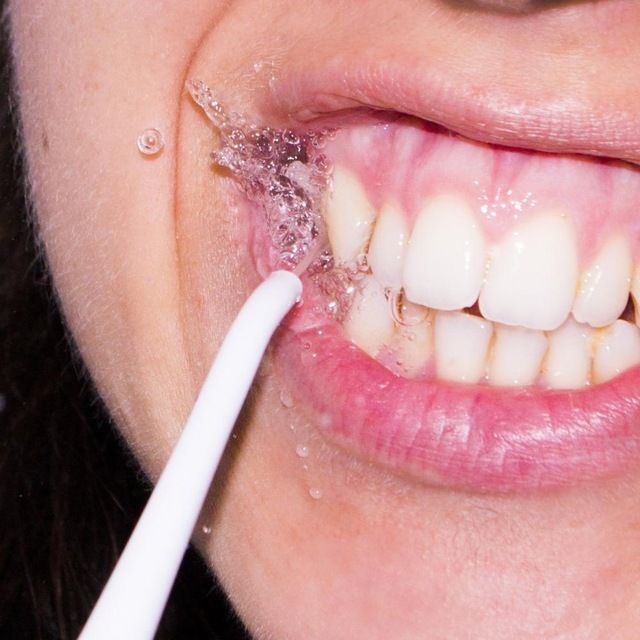
Plaque buildup is inevitable and can turn into tartar. At home dental care cannot remove tartar.
Regular dental appointments are necessary to remove and treat tartar, plaque, and other issues that may help your gums return to a healthy state. Dental appointments are necessary to evaluate and monitor your overall oral health. These appointments are also used to help us monitor and manage issues that are usually more difficult to detect.
How Does This Differ From A Deep Cleaning?
This is a wonderful question that needs some explanation. These are generally two Circumstances.
Regular Cleaning, as we are referring to, is for mouth health and generally refers to the tooth structures above and the sub-gingival tooth structures, as well. This is for gums that are healthy, or pretty much have a slight inflammation, unremarkable.
Signs You Are Due For A Cleaning.
- You have not had a cleaning in more than 6 months.
- Your gums bleed after brushing or flossing.
- Your dental health is reflected by visible stains that brushing cannot remove.
- Your dental health is reflected by visibly rough teeth that brushing cannot smooth.
- There have been observable changes to your breath, as it has become less fresh compared to when you last had a cleaning.
Individually, these signs do not reflect an oral health emergency. However, these signs reflect the need for cleaning that you have been meaning to schedule.
Does It Hurt?
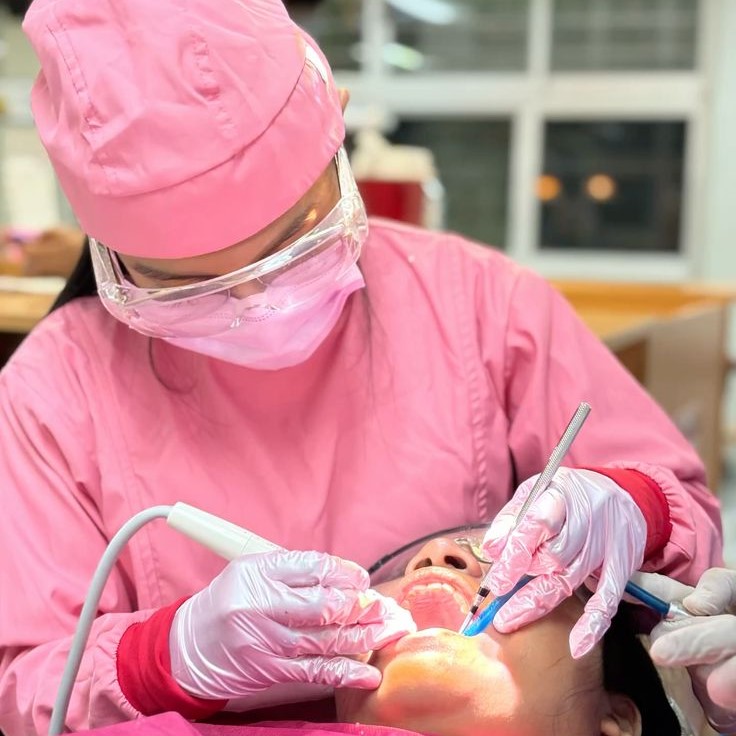
Many say there is not much pain involved in the cleaning process. It is an odd sensation. The ultrasonic scaler has an interesting vibrational sensation, and the water is refreshing. The polisher has an interesting sensation as well, almost like a lightly pressed brush. If your gums are inflamed, some parts can be a little tender. These will be the cleaning parts that will most likely take the longest. If you did not come to get a cleaning in the last couple of years, you will find that the first cleaning after not coming for a couple of years will be more uncomfortable than the following visits. You will be cleaning more stuff off your teeth the first time back.
What You Gain
The most apparent perks are how clean your teeth feel, and how much fresher your breath is; Stains are easier to see and not as big of a hassle for you to do daily, and your teeth look a couple of shades brighter stick with the dull theme after your daily drink of choice. You might not realize, but the biggest benefits after cleaning and catching the small issues like decay, the early stages of gum disease, and the small issues that have yet to go big. The most costly dental work that you do get, will occur if you don't visit for years.
After Your Cleaning
There's no downtime after your cleaning. You can eat whatever you want whenever you want. We suggest sticking to smaller meals for the first couple days.
Your teeth may be sensitive to cold after your cleaning. This is especially true if you had a large amount of buildup. This sensitivity will go away on its own in a day or two.
How Often You Should Come In
Most adult patients should come in for a cleaning every six months. This is usually the timeframe for when tartar buildup starts to become a problem for the teeth. Some patients may need to come in more frequently:
- If you have gum problems, or have had them in the past, cleaning every three to four months is a good idea.
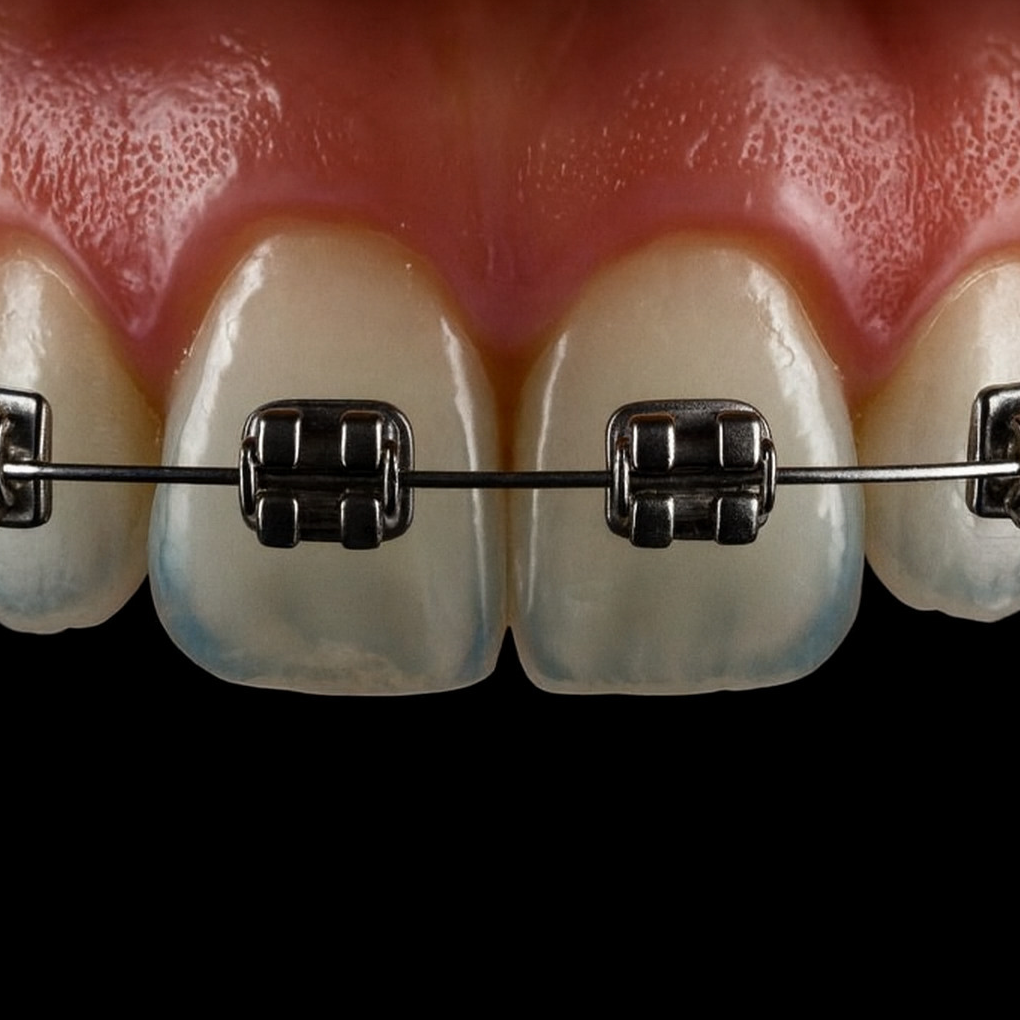
- If you have braces or other orthodontic appliances, cleanings during your orthodontic treatment is important to keep your teeth healthy. Plaque builds up around the braces, which is why patients with braces should come in for cleanings more frequently.
- If you smoke, have diabetes, or are pregnant, you are at a higher risk of gum inflammation. In these instances, we will likely discuss scheduling your visits closer together.
At the end of every appointment, we let you know the best timing for your visits going forward. There is no universal solution for the ideal appointment interval.
When You're Ready
The time between visits is your business, and you are not going to be judged for how long its been. Schedule your cleaning when you are ready for us to do a thorough cleaning and lift the plaque, and inform you of what we find. You will be able to leave with your teeth feeling clean and receive personalized advice and goals for keeping things manageable moving forward.
It's important to have regular teeth cleanings because brushing and flossing usually leave a little plaque behind. That plaque can harden over time into tartar and once that happens, brushing can't remove it. We do cleanings to address that and everything else we check throughout the visit.
Yes, usually your teeth will look a couple shades lighter since surface stains from coffee and tea are removed. It's not the same as a whitening treatment that changes the color of the tooth from the inside, but it can make a huge difference for someone who wants to feel like they have a brighter smile.
There are a few reasons but they are all harmless. It can expose parts of your tooth that are usually covered by tartar removal. Sensitivity usually lasts a couple of days. If your gums have receded then the root might be exposed which can be more sensitive to cold, but that will even out over time. Anti-sensitivity toothpaste can help.
Want to know if this treatment is right for you? Message us for an assessment.
Who Fluoride Treatment Is Most Commonly Recommended For
Fluoride is commonly recommended for patients exhibiting advanced tooth decay, even with good hygiene, and patients with thinning and sensitive enamel. It is also recommended to patients with braces and clear aligners, as they hinder complete oral hygiene, as well as dry mouth, which hampers the saliva's protective effects.
Patients with receding gums and early dentin exposure will benefit from fluoride, as well as patients with multiple restorative fillings. Fluoride may be suggested to eliminate the need for cavity treatment.
What Makes Fluoride Treatments Unique
Fluoride professional treatments and cavity preventing products like toothpaste are not the same because fluoride comes in higher concentrations for preventative tooth decay and cavity fillings from fluoride toothpaste.
Fluoride toothpaste is a good preventative measure for cavities. However, for a patient with a higher risk of developing cavities, fluoride toothpaste by itself may be insufficient.
Does It Hurt?
No. Most patients experience little more than a distraction. Taste and texture of the treatment are most often noted. If you are sensitive to certain tastes or if you are discomforted by dental appointments, let us know. We can make small adjustments to improve your experience.
How Often Is Treatment Recommended?
This relies on the history of your cavities, your diet, medications, salivary levels, and assessment of your overall risk. Some patients may require a fluoride application at every routine check-up, while some may require a check-up every few months.
The aim is to provide protection that is necessary according to your situation, not to administer it as a standardized procedure.
Want to know if this treatment is right for you? Message us for an assessment.
Filling Cavities and Keeping Teeth Healthy
Teeth pasta, also known as a dental filling, is used to repair teeth that have been damaged by cavities or minor tooth decay. During the procedure, the decayed or damaged part of the tooth is removed, and the cleaned area is filled with a dental material to restore the tooth's shape, strength, and function.
If cavities are not treated early, they can become deeper and may lead to tooth pain, sensitivity, infection, or even tooth loss. The purpose of a dental filling is to stop further decay, protect the tooth, and restore normal use.
When You May Need a Dental Filling
Dental fillings are commonly recommended when a tooth has a cavity. They may also be needed when a tooth is chipped, cracked, worn down, or structurally damaged.
Common signs that you may need a dental filling include:
- Tooth sensitivity to hot, cold, or sweet foods and drinks
- Pain when biting or chewing
- Visible holes, dark spots, or changes in the tooth
- Food frequently getting stuck in one area
- A chipped, cracked, or damaged tooth
Some cavities do not cause pain right away. This is why regular dental checkups are important. A dentist can detect early signs of decay before the problem becomes worse.
How Dental Fillings Help
Dental fillings do more than restore the shape of a tooth. They also help protect the tooth, improve comfort, and support overall oral health.
Prevents Further Decay
After the cavity is cleaned, the filling seals the open area. This helps prevent food particles and bacteria from entering the tooth and causing more decay.
Restores Normal Function
A decayed or damaged tooth may feel weak, painful, or uncomfortable when eating. A filling helps restore the tooth so you can bite, chew, and speak more comfortably.
Helps Preserve the Natural Tooth
Treating cavities early helps save more of the natural tooth structure. If decay is left untreated, the tooth may eventually require more complex treatment or even extraction.
Improves Tooth Appearance
For teeth that are visible when you smile or talk, tooth-colored fillings may be used. These can be matched closely to the natural color of your teeth for a more natural-looking result.
Supports Tooth Structure
Decay can leave a weakened or hollow area in the tooth. A filling rebuilds the missing portion and helps reduce the risk of further cracks, fractures, or damage.
Types of Dental Filling Materials
There are different types of filling materials that may be used depending on the size of the cavity, the location of the tooth, appearance concerns, and the dentist's recommendation.
Common types of dental fillings include:
- Composite fillings
- Amalgam fillings
- Ceramic fillings
- Glass ionomer fillings
Each material has its own advantages. Your dentist will recommend the most appropriate option based on your tooth condition and treatment needs.
What to Expect After a Dental Filling
After getting a filling, it is normal to experience mild sensitivity for a short period. You may feel sensitivity to cold, hot, sweet foods, or pressure. This usually improves within a few days.
Be careful while your mouth is still numb. Avoid chewing until the anesthesia wears off to prevent accidentally biting your cheek, tongue, or lip.
If pain, discomfort, or sensitivity continues, it is best to return to your dentist so the filling can be checked and adjusted if needed.
How to Take Care of Dental Fillings
Proper care can help your filling last longer and keep the treated tooth healthy.
Practice Good Oral Hygiene
Brush your teeth at least twice a day and floss daily. This helps remove plaque and food particles that can cause new cavities.
Avoid Hard or Sticky Foods at First
Right after the filling is placed, avoid chewing hard, sticky, or chewy foods on the treated tooth. These foods may place extra pressure on the new filling.
Limit Sugary and Acidic Foods
Sugary and acidic foods can increase the risk of tooth decay. Limiting them helps protect both your natural teeth and your dental fillings.
Use Mouthwash If Recommended
Your dentist may suggest a fluoride or antibacterial mouthwash to help reduce bacteria and support cavity prevention.
Visit the Dentist Regularly
Regular dental visits allow your dentist to check the condition of your fillings and look for early signs of wear, leakage, damage, or new decay. Professional cleanings also help maintain healthy teeth and gums.
How Long Do Dental Fillings Last?
The lifespan of a dental filling depends on several factors, including the type of material used, the size of the filling, your oral hygiene, diet, bite, and dental habits.
With proper care, dental fillings can last for many years. However, they may still need to be repaired or replaced over time if they become worn, loose, cracked, or damaged.
Final Reminder
Dental fillings are a common and effective treatment for cavities and minor tooth damage. They help restore the tooth's structure, function, and appearance while preventing decay from getting worse.
Early treatment is always better. The sooner a cavity is treated, the more natural tooth structure can usually be preserved, and the lower the chance of needing more complex dental procedures in the future.
Want to know if this treatment is right for you? Message us for an assessment.
What is a Dental Sealant?
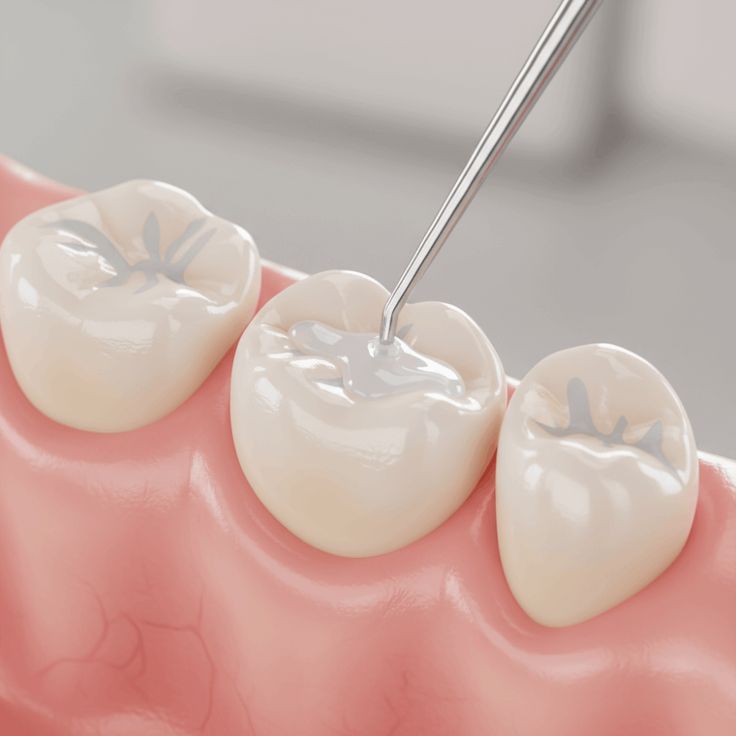
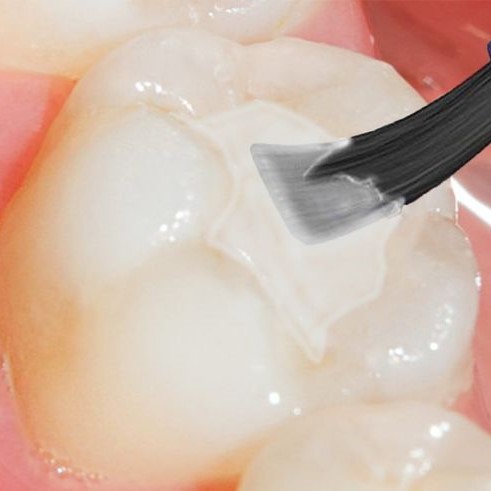
A dental sealant is a coating placed on the surfaces of the back teeth where there are grooves. The back teeth have seals that cover cavities so that dental hygienists and parents do not have to deal with future decaying problems and it does not affect the shape of the tooth or the bite.
What Populations are Most Likely to Use Dental Sealants?
Dental sealants are recommended for children with their first back permanent teeth (about age 6); decaying teenage years; and adults with deep dental grooves. Sealants are best applied on the back teeth as soon as they erupt into the mouth. Sealants are used when there is no tooth decay, thus a decaying tooth must be treated before applying sealants.
Are Sealants Permanent?
Not quite. Sealants can last from five to ten years. They undergo routine checks during dental appointments and can be easily replaced through a simple procedure.
Are Sealants Safe?
Sealants have been used in medicine and dentistry for adults and children for many years. They are considered safe. If you would like to learn about the sealant materials we use, feel free to ask during your consultation.
At What Age Should Children Get Sealants?
It is the recommendation of dental professionals that children receive sealants on their permanent molars at age six and again at age twelve. Sealants are to be placed on clean cavity-free teeth as soon as possible after a tooth erupts. We will keep a watch on the dental health of your child and let you know if they should receive sealants during that visit.
Are Adult Sealants Available?
The answer is yes. Dental sealants are a good option for adults as long as the teeth are untreated with decay and do not have existing fillings. If we believe dental sealants will help protect your teeth, we will recommend them.
Not quite. Sealants can last from five to ten years. They undergo routine checks during dental appointments and can be easily replaced through a simple procedure.
Sealants have been used in medicine and dentistry for adults and children for many years. They are considered safe. If you would like to learn about the sealant materials we use, feel free to ask during your consultation.
It is the recommendation of dental professionals that children receive sealants on their permanent molars at age six and again at age twelve. Sealants are to be placed on clean cavity-free teeth as soon as possible after a tooth erupts. We will keep a watch on the dental health of your child and let you know if they should receive sealants during that visit.
The answer is yes. Dental sealants are a good option for adults as long as the teeth are untreated with decay and do not have existing fillings. If we believe dental sealants will help protect your teeth, we will recommend them.
Want to know if this treatment is right for you? Message us for an assessment.
What Does Oral Surgery Include?
Oral surgery is often confused with maxillofacial surgery. Although these terms are somewhat related, they are not synonymous. Maxillofacial surgery is a broader, hospital-based specialty. It involves surgical treatment of facial trauma and jaw disorders among other things.
Surgical Extractions and Wisdom Teeth
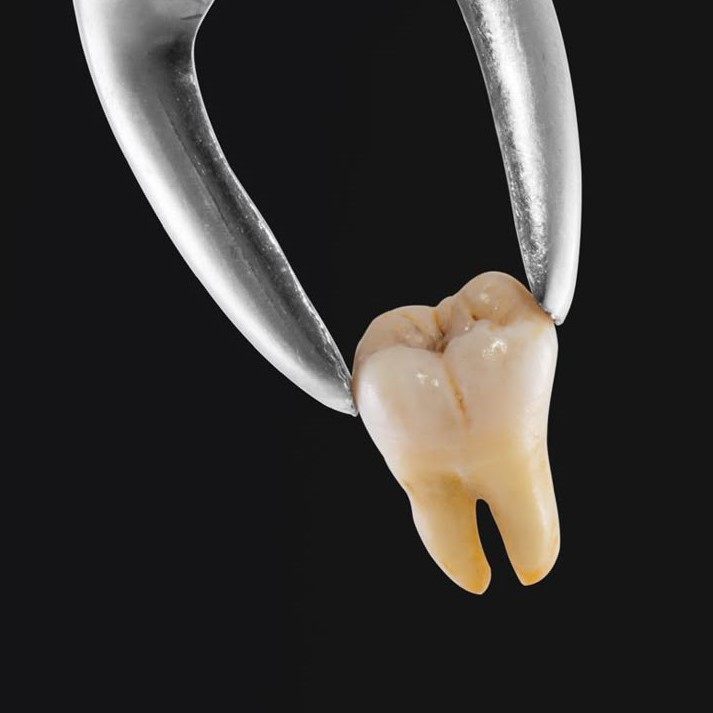
Some teeth can be difficult to remove via a standard extraction. In those cases, surgery may be necessary. For wisdom teeth, surgery is almost preventive as wisdom teeth often do not have the space to grow in.
Signs You May Benefit From an Evaluation
For the following, you may NOT require surgery. However, the following may mean that an evaluation is worthwhile:
- A severely damaged tooth that is difficult to chew.
- A state of discomfort with swelling and sensitivity that are prolonged and seemingly unresolvable.
- Irritating and/or sore wisdom teeth.
- A tooth that alters your bite and is missing and affects your self-confidence.
- Gums that are unhealthy and are unresponsive to cleaning.
- An area of the mouth that has not healed within an expected time.
The only definitive way to determine if you need surgery is through an exam, and there are often many options for treatment that you will be informed about so that you may select the one that is best for you.
Will It Hurt?
We most commonly receive questions and concerns about pain after oral surgery.
During the procedure, the area of concern is numbed using local anesthetic. Most patients report only the sensation of pressure, movement, or vibration, and not discomfort. If at any point you feel anything outside of normal, please let us know so we can alter our methods accordingly.
After surgery, it is normal to have soreness, swelling, and tenderness for a short period of time after a procedure. This time frame and the intensity of symptoms is procedure dependent, however, most patients agree that discomfort is minimal and resolves quickly.
Why Treatment is Worth the Cost
Oral surgery is often recommended to correct an issue that is currently detracting from your oral health, comfort, and your overall quality of life.
For many of our patients, this may offer the first good chance to be pain free and avoid further issues. For other patients, it may restore the function of chewing, help avoid a more complex future dental procedure, and protect the oral structure from further decay.
We most commonly receive questions and concerns about pain after oral surgery. During the procedure, the area of concern is numbed using local anesthetic. Most patients report only the sensation of pressure, movement, or vibration, and not discomfort. If at any point you feel anything outside of normal, please let us know so we can alter our methods accordingly.
After surgery, it is normal to have soreness, swelling, and tenderness for a short period of time. This time frame and the intensity of symptoms is procedure dependent, however, most patients agree that discomfort is minimal and resolves quickly.
Oral surgery is often recommended to correct an issue that is currently detracting from your oral health, comfort, and your overall quality of life. For many of our patients, this may offer the first good chance to be pain free and avoid further issues. For other patients, it may restore the function of chewing, help avoid a more complex future dental procedure, and protect the oral structure from further decay.
Want to know if this treatment is right for you? Message us for an assessment.
What does TMJ Mean?
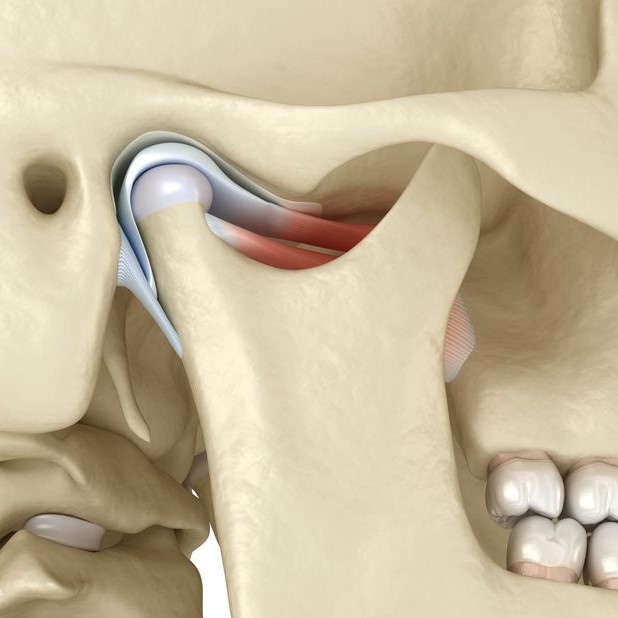
TMJ is an abbreviation for the temporomandibular joint. Everyone has two, one on each side, where the lower jaw connects to the skull. There's a network of muscles and tissues around them, which aid in speech, and the action of chewing. TMJ disorders affect the joints and the surrounding muscles. Because the joint is involved in nearly every movement of the jaw, when there is a problem with it, as is the case in TMJ disorders, it is something which you notice all day long.
What are symptoms of TMJ?
Not everyone has the same symptoms and some people may only experience one or two. The more common symptoms are:
- A sore or aching jaw or a sore or aching cheek or ear.
- Clicking, popping or grinding sounds when the mouth is opened or closed.
- Discomfort or difficulty fully opening the mouth.
- Pain when chewing, especially when chewing hard things.
- Headaches or facial discomfort with no obvious source.
- Episodes of a stiff jaw or where the jaw briefly locks in place.
- Ear fullness, ringing or a dull ach.
What Are Some Causes of TMJ Problems?
There are many possible causes of TMJ problems, and in many cases, it is impossible to single one out.
Some people grind their teeth during the night. Even if they do not grind their teeth, some people develop tension in their jaw muscles during times of stress. Injuries to the jaw, head, or neck may cause jaw discomfort too.
Jaw popping and discomfort is usually not serious and TMJ problems are usually not serious and do not require jaw surgery. These problems can be managed with conservative treatment.
To treat your TMJ, the symptoms you're experiencing must be matched to the possible causes.
What to Expect During a TMJ Evaluation
The initial phase of TMJ problem diagnosis is assessing the possible causes of your symptoms. Since discomfort in the jaw has many possible causes, proper diagnosis allows the clinician to make the proper recommendations based on the factors impacting your jaw.
The evaluation may include the following:
Description of Symptoms - Dr. Jenette will want to know about your symptoms, such as pain or stiffness in the jaw, headaches, and difficulty chewing. She may want to know about sounds your jaw makes, such as clicking or popping, as well as your jaw's range of movement. Dr. Jenette may also want to know about the onset of your symptoms as well as what may be alleviating or exacerbating your symptoms.
Assessment of Jaw Movement - Dr. Jenette will need to know the range and pattern of your jaw's side to side and up and down movement to assess the presence of symptoms and any movement patterns that may be contributing to your discomfort.
Assessment of the Jaw Joints and Muscles - Dr. Jenette may wish to assess the jaw joints and the surrounding muscles for tenderness or tension to assess any discomfort your symptoms may be masking.
X-Rays When Indicated - Dr. Jenette may want to obtain a better assessment of your jaw joints and the surrounding structures by ordering dental x-rays. Dr. Jenette may determine that based on her assessment, and the lack of any significant changes to your diagnosis, that an imaging study is not warranted.
After Dr. Jenette has had the opportunity to assess your condition, she will discuss her findings and possible treatment options.
After the assessment is complete, Doc. Jenette will share her findings with you and discuss the factors contributing to your symptoms and the next steps that would be most appropriate.
Want to know if this treatment is right for you? Message us for an assessment.
What a Digital Dental X-Ray Is
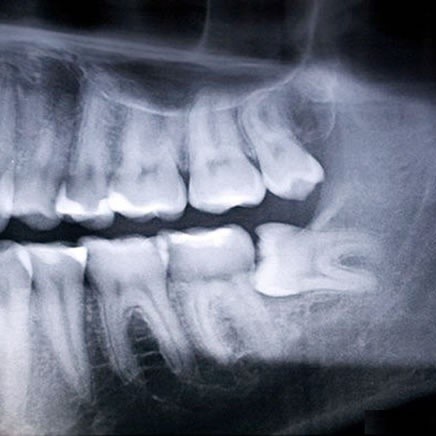
Digital dental X-rays use electronic sensors rather than traditional film to create images of your teeth and the structures surrounding them. Think of it less like taking a photograph, and more like looking underneath the surface. The image appears on a screen within seconds of being taken, can be enlarged and enhanced, and shows us things that no amount of looking in your mouth directly can reveal: the spaces between teeth, the roots, the bone, what's happening beneath existing fillings, and whether any teeth are developing problems below the gum line.
What X-Rays Help Us Find
- Cavities between teeth and beneath existing fillings or crowns, where a visual examination can't reach.
- Bone loss around the roots, which is one of the key indicators of gum disease progressing.
- Infections at the tip of a root, sometimes present for years without causing obvious pain.
- Impacted teeth, especially wisdom teeth, that haven't come through properly and may be causing pressure on neighbouring teeth.
- Changes in the bone or jaw that can indicate cysts or other conditions worth investigating.
Why We Don't Skip Them When Needed
A tooth that looks fine from the surface can have significant decay between it and the tooth next to it. A filling that appears intact can have decay quietly working underneath it for years. The X-ray is how we avoid missing what matters, and how we avoid treating something that doesn't need treatment. We don't take them at every visit, only when they add information that changes the clinical picture.
What Actually Happens
Taking a dental X-ray is one of the quickest things we do. Here's what to expect.
A small sensor is placed inside your mouth. It sits against the teeth or gum we're imaging. Some patients find the sensor slightly awkward to hold in position, especially at the back of the mouth. If this is a problem for you, tell us.
You bite gently and hold still for a second. The exposure itself is extremely brief. A fraction of a second.
The image appears immediately on screen. We review it and often show you what we're looking at, explaining what we can see. Pointing to the image is more direct than words alone.
No injections. No drilling. No recovery time.
How Often Will You Need Them?
We don't take X-rays automatically at every appointment. The decision depends on your cavity history and risk, whether you have symptoms worth investigating, and how long it's been since your last set. A patient who has regular check-ups and stable gums will need X-rays less often than someone with a history of cavities or active gum disease.
Want to know if this treatment is right for you? Message us for an assessment.
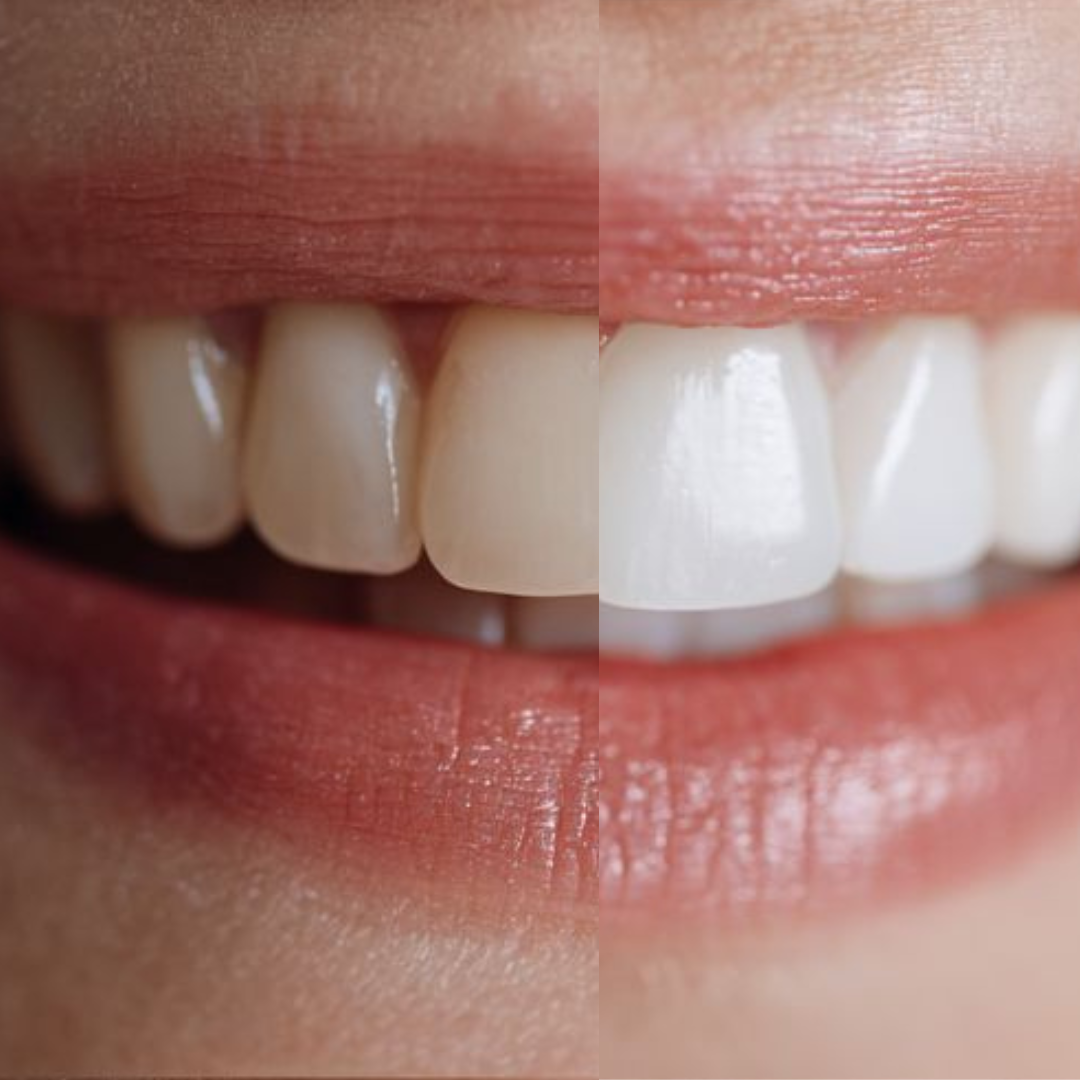
What Teeth Whitening Actually Is
Whitening treatments are used to remove stains and restore a natural lighter shade to your teeth. It is a gel that helps lift stains. Teeth whitening helps most with the discoloration that occurs on teeth with age. Teeth and teeth stains are an unfortunate reality of having daily habits like drinking coffee, tea, and red wine or smoking.
Teeth whitening can be used to help you feel more confident at many occasions and milestones, like weddings, graduations, and new jobs, but the best results whitening can give is the ability to smile in a photo without overthinking.
Signs Whitening May Be Worth Your Time
- You have noticed your smile looking duller than it did just a few years ago.
- You have obvious staining from coffee, tea, or red wine, and/or from smoking.
- You have tried whitening toothpaste to no avail.
- You have noticed whitening kits at the pharmacy, but are unsure about their safety.
- You have a big event coming up, and you want to brighten your smile safely.
Whitening your smile is a choice and not a treatment, and nothing is cataclysmically wrong about any of these. These are all nonurgent issues. A consultation is just to see if it is effective for you.
You Shouldn't Get Whitening If
Whitening is appropriate for the majority of the adult population, with only a few exceptions. We are going to be direct about these so you do not have to come in to get turned away.
- If you are pregnant or breastfeeding, it is best to wait. We have no proof that it could cause any problems, but there is no reason to do it right now.
- It is unsafe to whiten children's teeth because they are not done developing, and their teeth respond differently than an adult's.
- If you have melanoma or known light sensitivities, you should not use the light-activated whitening. Mention these at your consultation so we can discuss your whitening options.
- If you have crowns or veneers in your smile line, you'll probably end up with different colored shades if you decide to whiten your teeth. That's why it is really important to talk things over with your dentist before you make any decisions.
Does It Hurt?
Teeth whitening isn't really known to hurt. However, people tend to experience some level of sensitivity that is described as a sharp short pain that is experienced with hot or cold things. The sensitivity tends to resolve itself in a few days.
What You Gain
The major benefit is an even whiter and brighter smile. While we completely understand that teeth whitening is a cosmetic change and does not address any potential issues relating to the health or the integrity of your teeth, we believe that the positive change in your smile can make a decent positive change in the way others perceive you. We can't dismiss the positive changes in someone's self-confidence that can be experienced as a result of the cosmetic changes. In our experience, people that are not happy or proud of their smile tend to neglect the maintenance of the smile they dislike. We have noticed that people tend to take better care of their teeth in an effort to maintain the whiteness and brightness of their smile.
Aftercare and Keeping Your Results
For the first day or two, you can keep your teeth whitening results by temporarily stopping anything that may stain your smile. The biggest one is smoking. Anything that may stain your teeth such as coffee, tea, wine, soda, soy sauce, red sauce, and berries should also be avoided.
Feeling sensitivity to cold air or beverages is common after whitening. Sensodyne relief toothpaste helps within days. Topical treatments with calcium, phosphate, and fluoride help too and we can recommend one if it would help.
Want to know if this treatment is right for you? Message us for an assessment.
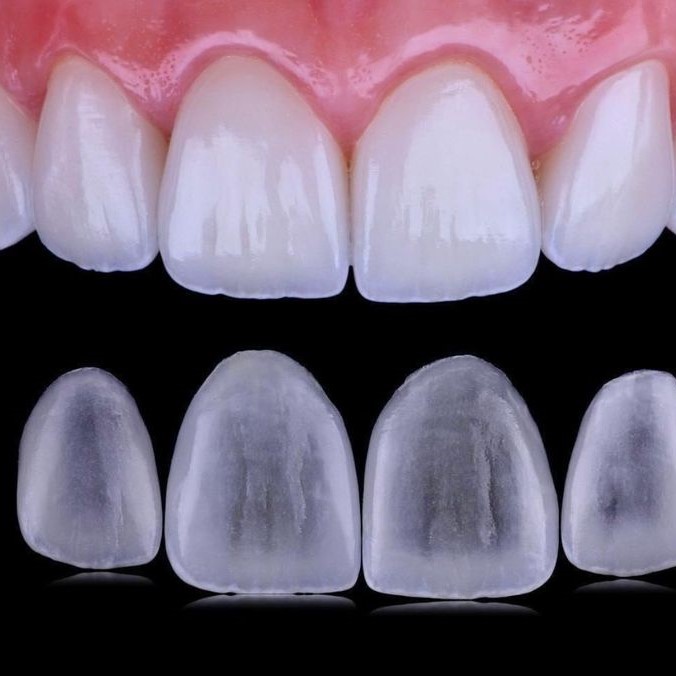
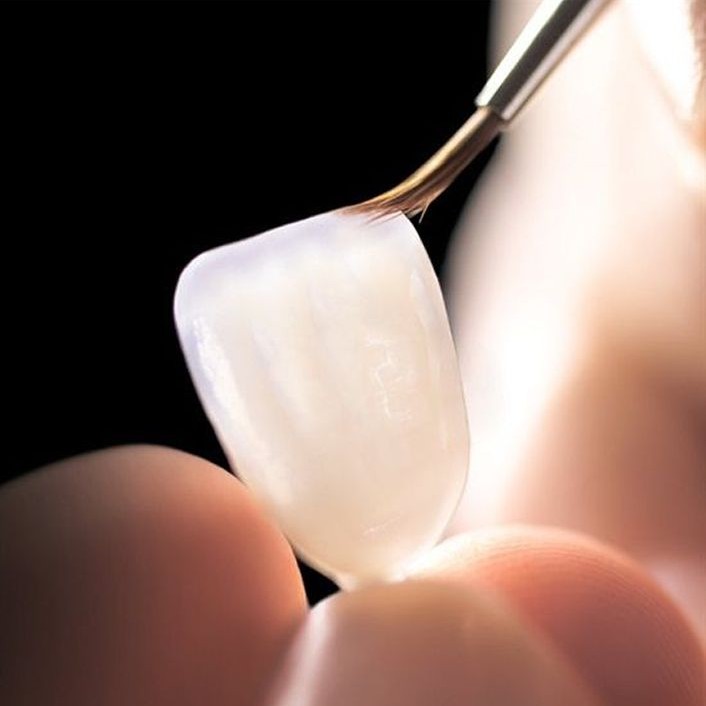
What Composite Veneers Are
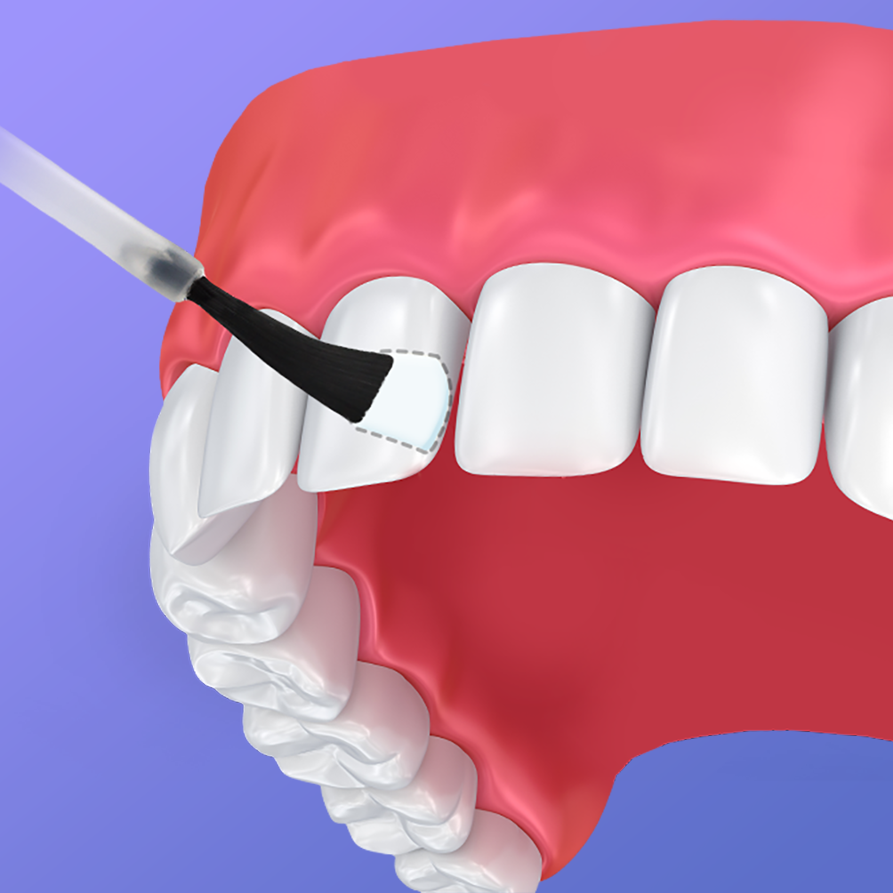
Composite veneers are one method for improving aesthetics when it comes to your teeth. A cosmetic dentist will apply a layer of material at the front surface of the tooth, and the result is a layer of composite that is sculpted to the desired appearance by the dentist. Composite veneers allow dentists to change the color, shape, and size of teeth. Taking a step back, this is an additive process; the tooth will not be removed. The composite resin that will cover the tooth is similar to that of tooth colored fillings, so there is no obvious color difference.
What Composite Veneers Improve
- Front teeth that are chipped.
- Small spaces in teeth.
- Shorter or worn front teeth.
- Minor asymmetries in teeth.
- Uneven smiles or teeth.
- Teeth that are discolored, but are not improved by whitening.
- Minor rotation in teeth.
In some cases, veneers may not be the best solution. Other treatments, like braces or whitening, may be better suited to fix less severe cosmetic concerns. We will help you decide which treatment gives you the results you want.
Reasons for Choosing Composite Over Porcelain
Composite veneers don't require lab time since they are created and put in the same appointment. They have the advantage of allowing for no prep or very low prep of the tooth. As a result, they are a more economical option compared to their porcelain counterpart. While they have a shorter lifespan as compared to porcelain and are more susceptible to staining, they are a great alternative for patients who want to see some changes to their smile without the time commitment and expense that porcelain requires.
Description of the Process
Normally, the process can be done during a single appointment. There is no wait time for lab work, and the whole process normally happens in a few steps.
Assessment and shade selection. We talk about your desires for your tooth, and then we choose the color that will match the tooth the best. The better the match, the more natural the tooth will look.
Tooth preparation. There is normally little to no prep of the tooth for the composite. The tooth is made a little rough, but only to help the bonding process.
Building the veneer. Layer by layer, the composite is placed and sculpted directly onto the tooth. The contour of a veneer is very important, along with matching the translucency of a natural tooth, as these help the veneer look natural.
Curing and Finishing. Each layer is hardened in seconds with a blue light. We finish by shaping and polishing the surface that is the final layer to give it the same optical properties as the natural tooth.
Does it hurt?
The majority of patients report that the process is uncomfortable but not painful. If tooth preparation is necessary, a local anesthetic is an option. For a few days, mild discomfort is normal and it will subside.
Want to know if this treatment is right for you? Message us for an assessment.
If You Think You've Waited Too Long
One of the more common misconceptions about getting a partial denture is the wait time. Most think that you can only get them after years of missing teeth. This is mostly untrue.
Some patients come in with just one missing tooth. Some come in after years of embarrassment from their uneven bite and only chewing on one side. Some even come in after convincing themselves to put it off to an unspecified time in the future.
You will never get judged for the time you've waited.
We do want to know where you're at currently and the options you have moving forward.
A Partial Denture Defined
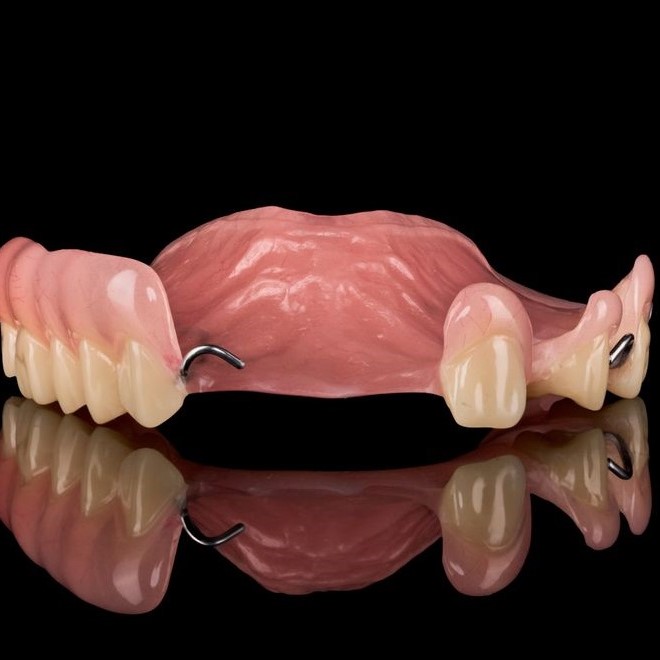
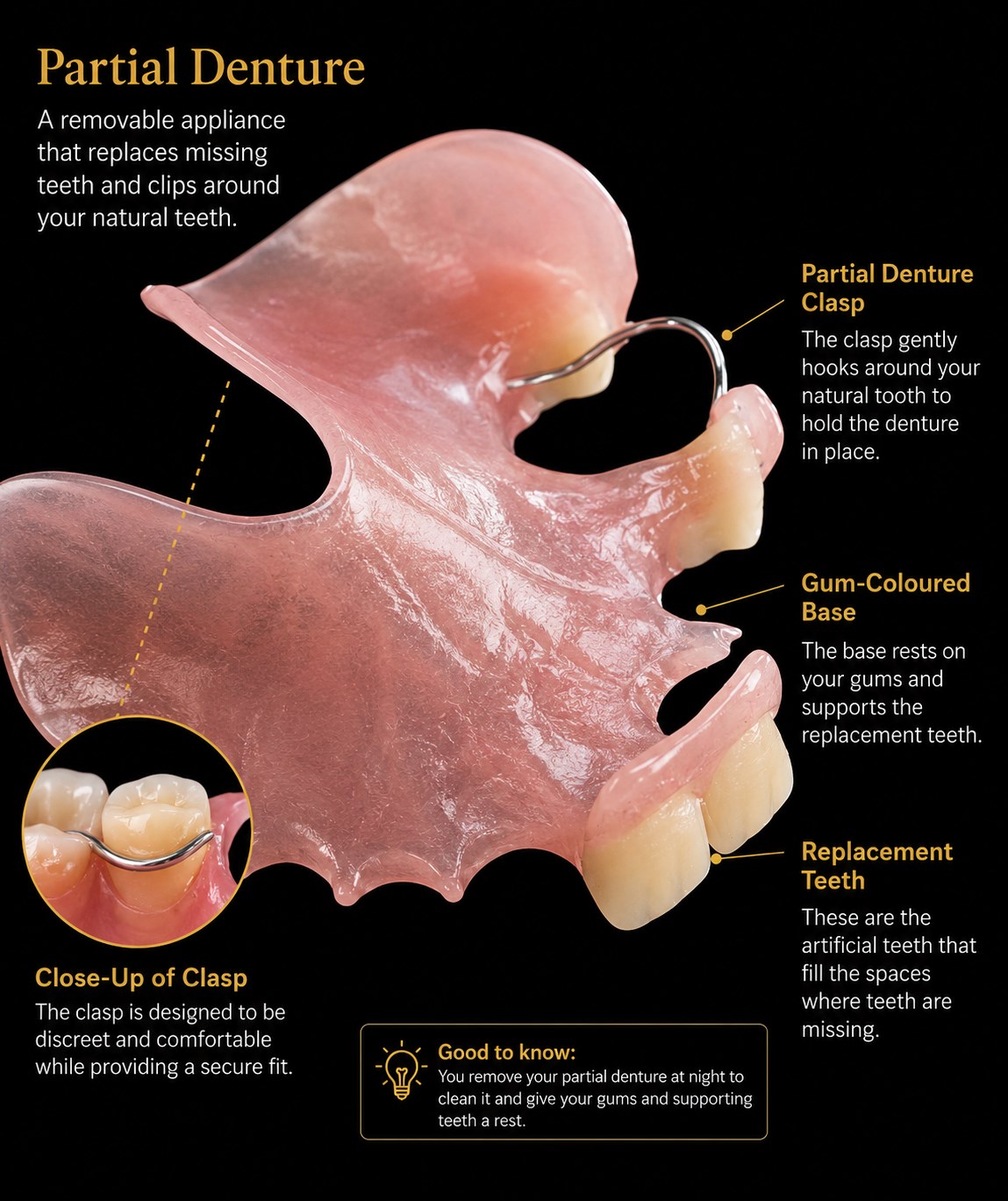
Partial dentures are removable appliances that help replace lost teeth from one or both jaws, while complementing the existing teeth. Partial dentures utilize a cast of gums to house artificial teeth, along with a clasp that gently surrounds remaining teeth to help secure the appliance to the jaws. Partial dentures are removed at night to be cleaned. The appliance is then placed back during the day.
Cosmetically filling the gaps of lost teeth is not the only function of a partial denture. Missing teeth, along with their surrounding teeth, create a void which causes teeth to drift, negatively impacting a person's bite. Partial dentures hold all of the teeth in the proper position, helping maintain a proper bite.
Why You Should Get a Partial Denture
- You have missing teeth that are making chewing difficult.
- You are noticing the surrounding teeth are beginning to shift into the void.
- You have a visible gap that you are self-conscious about.
- You are aware of an upcoming tooth extraction.
- You have an uneven bite and are forced to chew on one side.
Partial dentures are an option, though not the only option. We'll discuss all available options in order to help you arrive at the appropriate decision.
How a Partial Denture Is Made and Fitted
Getting a partial denture takes a few appointments over a few weeks, because the fit needs to be right both against your gums and around your remaining teeth. Rushing it leads to a denture that's uncomfortable to wear.
Consultation and assessment. We examine the teeth you have, check whether they're strong enough to support a denture, and take an X-ray. If any of your remaining teeth need treatment first, like a filling or a deep cleaning, we sort that before we start.
Impressions. We take a soft mould of your jaw, including your remaining teeth. This is what your denture is built around.
Bite and trial fitting. A wax version is made first so we can check the fit, the bite, and the look. We adjust at this stage, when it's easy.
Final denture is made. Once everything's right in wax, the dental laboratory builds the final version with the clasps positioned to grip securely without putting strain on the supporting teeth.
Fitting and adjustments. We place the final denture and check for any spots that press too hard. Small follow-up tweaks over the next few weeks are normal as your mouth settles in around it.
Does It Hurt?
The fitting process itself doesn't hurt. Impressions are unusual but painless. If you're having teeth removed beforehand, that's a separate procedure done with local anaesthetic, exactly as our extraction guide describes.
New partials often cause small sore spots in the first week or two while your gums get used to the new shape. We expect this, which is why we schedule the early adjustment visits. Come in and point to where it hurts. A quick relief in the right spot can transform how it feels.
You may also notice the clasps a little for the first few days. Within a week your tongue stops finding them, and they fade into the background.
What You Gain
Chewing comes back in the places you'd been avoiding. Food is easier, meals are less of a project, and you can eat on both sides again. The visible gap closes, so smiling and speaking stop being a quiet calculation. And critically, the teeth on either side of each gap stop drifting, which protects your bite and the remaining teeth for the long term.
The bone underneath missing teeth also slows its shrinkage when something is sitting in that space.
Looking After Your Partial Denture and the Teeth Around It
Caring for a partial is slightly different from caring for a full denture, because you're looking after both the denture and the teeth it clips onto. The anchor teeth need extra attention, since plaque tends to collect where the clasps sit.
- Take the denture out at the end of every day, ideally overnight. Your gums and supporting teeth need a break from the pressure.
- Clean the denture with a denture brush and a denture-safe paste. Regular toothpaste is too abrasive and scratches the surface. Pay attention to the inside of the clasps, where plaque hides.
- Soak it overnight in a denture solution or in plain water so it doesn't dry out.
- Brush your remaining teeth twice a day with fluoride toothpaste, paying extra attention to the ones the clasps grip. Floss daily. Healthy supporting teeth are what makes the denture work.
- Handle the denture over a folded towel or a sink of water. Acrylic frames crack if dropped on a hard surface.
- Come in for check-ups at least once a year. We look at the denture, the supporting teeth, and how your bite is holding up.
How Long They Last, and When to Update Them
A well-made partial denture, looked after properly, usually lasts around five to ten years. The lifespan depends a lot on what happens to your other teeth in the meantime. If you keep them all healthy, the denture serves you well. If you lose another tooth, the denture may need adjusting or replacing to include it.
Time to book an appointment if your partial:
- Feels loose, rocks when you chew, or one of the clasps no longer grips.
- Causes a sore spot that doesn't settle within a few days.
- Has a clasp that has bent, broken, or come away from the base.
- Looks worn, stained, or chipped.
- Is more than ten years old, even if it still seems fine.
If one of your remaining teeth needs to come out, don't throw the denture away. In many cases we can add a tooth to the existing denture rather than make a new one.
When You're Ready
There's no rush. When it suits you, book a consultation so we can look at the teeth you have, talk through whether a partial denture is the right fit, and walk you through the options and costs clearly. You'll have a clear picture before any decision is made.
What Happens Next
Booking a consultation doesn't mean committing to treatment immediately. Here's what usually happens.
We examine the teeth you still have, understand what is bothering you, and discuss what you want to improve.
We may take X-rays to evaluate your remaining teeth, gums, bone support, and whether dentures are the right fit.
We explain your options clearly, discuss costs, and answer questions before anything moves forward.
There is no pressure to proceed. Our goal is to give you enough information to decide comfortably.
Yes, with a short adjustment period. The first week or two, stick to softer food and chew slowly on both sides. Within a month, most people are eating most things comfortably. Very sticky or very hard foods can still pop a clasp loose occasionally, so you learn what to avoid.
A little, for a few days. Words with "s" or "f" sounds may feel a touch different. Reading aloud at home for ten minutes a day fixes it quickly. By the end of the first week, most people are speaking normally.
Better not to. Take it out before bed so your gums get a few hours of rest, and so the teeth holding the clasps aren't under pressure all night. Soak the denture in water or denture solution while it's out.
Days for most things, a few weeks for everything. Speaking comes back first, eating takes a little longer, and the sore spots usually settle after the first round of small adjustments. By a month in, most people stop noticing it most of the time.
Want to know if this treatment is right for you? Message us for an assessment.
What a Complete Denture Is
People with tooth loss have the option of a complete denture to fill the empty space of up to a whole row or arch of jaw teeth. Complete dentures are a full set of teeth that rest on the gums and jaw bone. They help not only the function of the teeth, but also the support of the lips and cheeks as well. They help restore the natural shape of the face and the function of the chewing system.
When Complete Dentures Are Usually Considered
The loss or removal of all or most of the teeth in one or both jaws is usually when the conversation of complete dentures begins. Some people come to us for complete dentures because eating has become difficult. Speaking has become noticeably different and smiling has become an avoided task. All of these reasons are valid.
Complete dentures are not the only option for replacing missing teeth.
Every situation is different, so we'll explain the benefits, limitations, and costs of each option to help you make an informed decision.
Maintenance of Dentures
Dentures should be removed and cleaned regularly as microbes and plaque still build up on prosthesis. This cleaning should be done with a special denture cleaning product and a soft brush. Ordinary toothpaste should never be used as it will scratch the surface of the prosthesis.
Dentures should also be removed each night to allow the supporting structures a rest.
During the night, dentures should be immersed in a denture cleaning solution to prevent permanent deformation.
Full denture replacements should be done after regular check-ups. The condition of the supporting structures should be of continual concern. Your gums will be monitored after the loss of natural teeth.
How Long Do Dentures Last?
Dentures are not made to last a lifetime. Your gums and jaw bones continue to change, meaning dentures that fit well originally may not fit well later. Most dentures require relining or replacement after a few short years. Just because a denture that feels manageable doesn't mean it fits properly. A routine assessment can help identify issues and correct them before they become bigger problems.
For most people, a regular diet can be sustained. There are a few foods that are best to avoid, like very hard or very sticky foods. The first few weeks are best spent focusing on soft foods while you build the confidence of the jaw muscles in a new way.
Dentures should typically be removed before sleeping. Keeping dentures in while sleeping can put pressure on the gums causing sore spots. Removing dentures at night gives the gum tissue a chance to rest and allows for complete cleaning. We will provide you with additional recommendations based on your individual case.
Want to know if this treatment is right for you? Message us for an assessment.
What Retainers Actually Do
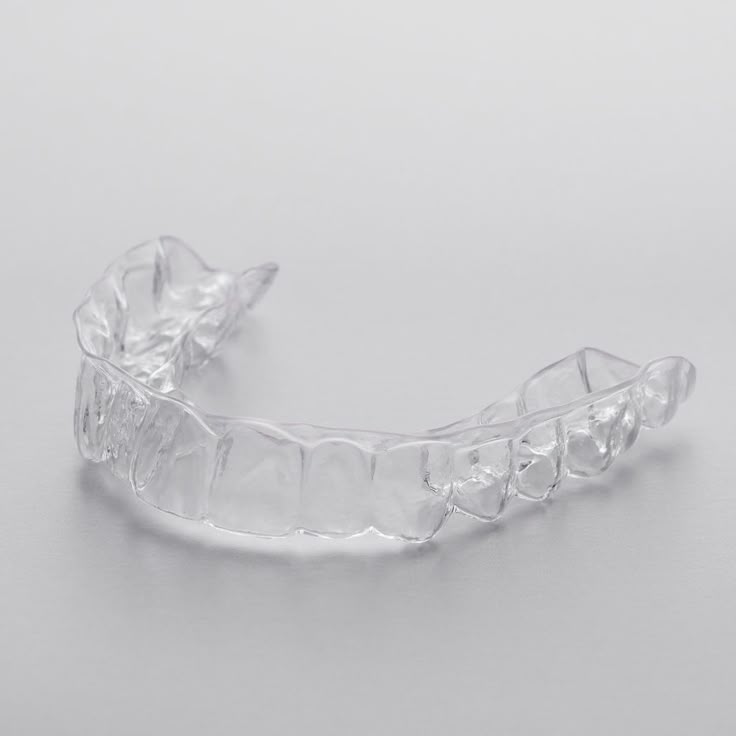
A removable retainer is a clear or plastic appliance worn over your teeth. It does not continue moving teeth. It holds them in position so treatment does not slowly undo itself.
If You're Worried You've Waited Too Long
Many people ask about retainers because they stopped wearing one year ago. Usually, that doesn't automatically mean you've ruined your teeth. Some people notice small movement. Others notice bigger changes. Our job isn't to judge how long it's been. It's to explain what we see and what options make sense from here.
You Do Not Need To Know What Type Of Retainer You Need
Many patients delay because they think they need to know exactly what they need beforehand. You don't. The consultation exists so we can examine your teeth properly and explain what options actually make sense.
What Happens During Retainer Care
Assessment and examination.
Scan, impression, or measurements if needed.
We explain options, wear schedule, and costs.
You decide whether to proceed. There is no obligation to continue treatment on the same day.
Wear & Cleaning
- Usually every night during the first year, then reduced gradually.
- Remove before eating and drinking anything except water.
- Use cold water only. Heat warps retainers.
- Brush gently with soft toothbrush and cold water. Avoid toothpaste.
- Store in the case whenever not wearing it.
- If it suddenly feels tight, wear consistently and call if it does not improve.
What You Gain
Retainers protect the time, money, and effort already spent on orthodontic treatment. Wearing one is usually much easier than repeating treatment later.
Want to know if this treatment is right for you? Message us for an assessment.
What Is a Night Guard?
Have you noticed that your teeth have become worn down, flatter, or maybe even shorter? Do you often struggle with soreness in your jaw or face when you wake up? Do you suffer from frequent headaches?
Jaw soreness, facial tension, and headaches are all symptomatic of bruxism, or grinding your teeth, and clenching your jaw. Most people do not know that they are grinding their teeth because it occurs during sleep.
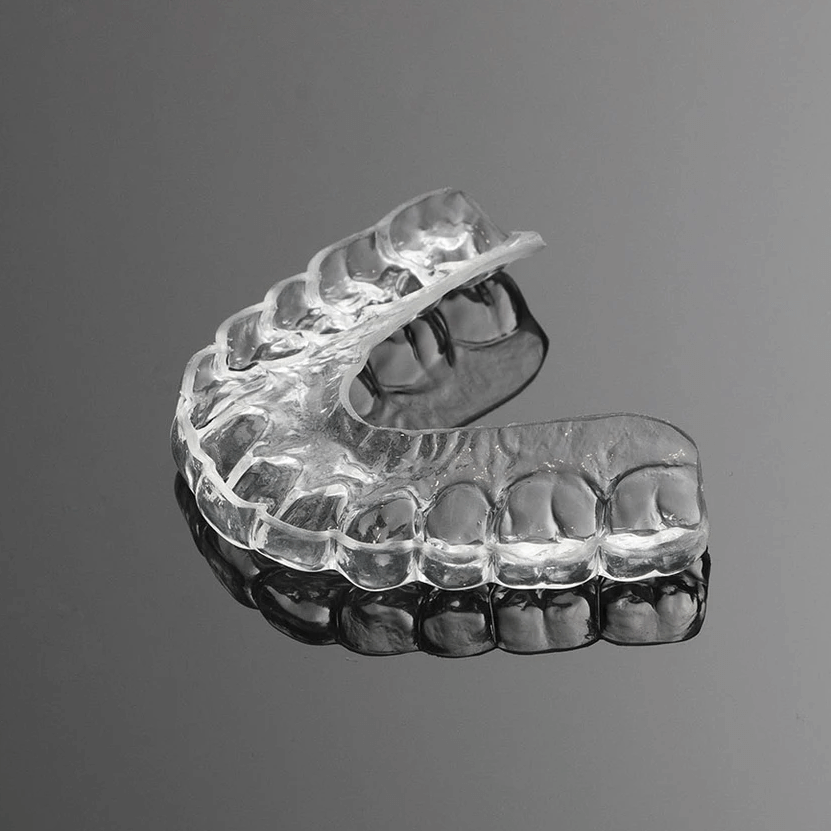
A night guard is a type of dental appliance that is worn to protect the teeth from the damage caused by grinding or clenching. When a night guard is properly created, it is a protective barrier between the upper and lower teeth. It helps lessen the wear and tear of teeth from grinding, jaw pain, and other bruxism-related problems.
Why Night Guards Are Important
The upper and lower teeth are not designed to be in contact with each other all day. In teeth's normal function, they are in contact with each other only during the process of chewing or swallowing.
When grinding and clenching occurs, the pressure is transferred, and excessive wear, pain, and bruxism-related problems are caused to the jaw, teeth, and other affected body structures.
To prevent the bruxism-related damage to the teeth and to help alleviate the pain in the jaw and the tension caused by bruxism, a night guard is used to absorb some of the pressure as a cushion.
"But I Don't Grind My Teeth"
Many patients are taken aback when they learn that they grind their teeth. This is because people tend to grind their teeth while they are asleep and, therefore, are often unaware that they do this.
However, a dentist can diagnose potential grinding by inspecting the mouth and teeth. Signs of grinding teeth may include:
- Flat tooth surfaces
- Chipped or jagged teeth
- Teeth that are worn down
- Sore jaw muscles
- Sensitive teeth
- Cracked or damaged teeth or dental work
Even if patients are unaware that they are grinding their teeth, their teeth may show the signs of grinding during their dental exam.
Types of Night Guards
There are different types of night guards that can be prescribed to patients depending on the patient's teeth and bite, the extent of their grinding, their comfort level, and their overall dental health.
Over-the-counter night guards. These can be purchased in drug stores or department stores and can be less expensive and more convenient. However, since they are mass produced for the general population and not custom designed for the patient's bite, they may not provide the correct protection or may even be uncomfortable to wear. If an over-the-counter night guard is poorly fitted, it may create undue pressure on the teeth and even cause more discomfort.
Non-functional night guards. These are prescribed by a dentist and are custom designed to the patient's bite. They are typically thinner and may even be similar to a retainer. Guards shaped around the teeth are designed to keep them separate while sleeping to prevent grinding. These guards may work better than nothing, but may only last around six to twelve months. They represent a more basic option.
Functional night guards. These are designed to fit a patient's complete bite and are usually constructed from denser, thicker, and stronger material, which provides better function and support. They are typically made with a higher level of precision, so they are usually more comfortable, fit better, and are generally more durable than standard night guards. They are often recommended for patients who grind their teeth more, who have more jaw pain, who have frequent headaches, or who have more advanced TMJ issues.
Do You Need a Night Guard?
There can be multiple reasons a dentist may prescribe a night guard. Some of the more typical reasons may be due to:
- More advanced tooth wear due to grinding
- Getting up in the morning with headaches and a tight jaw
- Jaw pain with muscle tension
- Limited range of motion in the jaw that is not due to a prior injury
- Teeth that are chipped, cracked, or broken
- Teeth that are getting more damaged, especially dental work
- Symptoms of TMJ issues
A more complete dental evaluation is required to determine if a night guard is warranted and to determine which of the guards is more appropriate.
Night Guards and Headaches
Grinding and clenching can create uncomfortable pressure on the muscles and joints of the jaw. This pressure can lead to headaches and soreness in the face and jaw, especially in the mornings.
Night guards can absorb some of the pressure applied to the teeth. They can also protect teeth as well as fillings and crowns. Night guards, if appropriately and professionally constructed, can absorb some of the pressure of grinding and clenching jaws, and can improve the overall health of the teeth.
Benefits of Wearing a Night Guard
Night guards can:
- Prevent teeth grinding
- Reduce teeth wear and damage to enamel
- Prevent teeth from becoming cracked or chipped
- Protect dental fillings and crowns
- Reduce jaw muscle tension and pain
- Lessen headaches from grinding
- Improve comfort while sleeping
- Lessen TMJ symptoms
Night guards may not totally stop the grinding and clenching habit, but they greatly reduce the damaging effects that teeth endure from the habit.
Why Choosing the Right Night Guard Matters
Having the correct night guard is very important. Having the wrong guard or one that does not fit properly can worsen issues.
Night guards that do not fit properly can result in an uneven bite, worsen pressure and tension of the jaw, and can irritate and worsen the gums. Poorly fitting guards can also affect a bite over a long period of time.
A night guard that is professionally made should be comfortable, remain stationary, and provide better pressure distribution. Because custom night guards are designed for the particular patient's teeth and bite, they tend to be more effective and comfortable when compared to over-the-counter night guards.
How Does a Night Guard Protect Teeth?
A night guard acts as a barrier between the upper and lower teeth. This is beneficial in that a night guard:
- Lessens the contact of teeth with one another
- Absorbs the impact of teeth grinding and jaw clenching
- Prevents grinding down enamel
- Prevents teeth from cracking and chipping
- Prevents the impact on dental work
- Supports the jaw and its joints and muscles
- Lowers the chance of TMJ pain and discomfort
While a night guard doesn't prevent the grinding of teeth, it does minimize the damage of grinding teeth.
How Often Must You Wear a Night Guard?
Most people must only wear a night guard while sleeping.
The hours that a night guard must be worn are dependent on the patient and their condition. For more severe cases a dentist could prescribe that a patient must wear a guard, except while eating, for the majority of the day. This could be the case if a patient has high tension in the jaw, more advanced TMJ symptoms, and a higher level of damage from teeth grinding.
How Do You Clean a Night Guard?
A night guard must be cleaned to avoid a buildup of bacteria, a foul smell, and molds. There are several ways to ensure that your night guard remains clean:
- Make sure to brush your teeth first before putting on your night guard.
- If for some reason your teeth are unbrushed, do not put the night guard in your mouth.
- Rinse your night guard with warm water after taking it out.
- Brush your night guard regularly to eliminate any leftover saliva and debris.
- Ensure that the night guard is stored completely dry.
- Store the night guard upside down so that it is out of the way and protected.
- Leave the case open while the guard is drying.
Cleaning and drying your night guard prevents bacteria from accumulating and breaking the night guard down. This also makes the night guard more comfortable to use.
Want to know if this treatment is right for you? Message us for an assessment.
What Is a Dental Crown?
A dental crown is a covering that a dentist places on a tooth after it is customized to fit the patient. It acts as a cap to help reconstruct the shape and function of a tooth that has been broken or weakened and has decay.
A dental crown covers the entire portion of the tooth that is visible to the mouth when a person smiles. The dentist partitions a thin layer of enamel to help the crown fit and seal completely over the tooth. The crown is cemented over the tooth after it is prepared.
There is a variety of materials available that can be used to make a crown.
When Is a Dental Crown Needed?
There are a variety of reasons a dental crown may be needed such as to:
- Repair a tooth that has decay
- Cover a tooth that is fractured or damaged
- Replace a tooth that is worn or broken
- Replace a tooth that is missing with a dental bridge
- Cover a tooth that is discolored or stained
Benefits of Dental Crowns
With the use of a dental crown, a natural tooth is given a greater lifespan. Crowns are able to do the following:
- Protect a tooth that has decayed or has been damaged
- Promote better and normal function of the teeth
- Enhance the overall appearance of a person's smile
With proper dental hygiene and thorough care, crowns can last from five to fifteen years.
What to Expect After Crown Placement
Crown placement is a quick procedure. Most patients are able to resume normal activities afterward. It's normal to experience sensitivity to heat and cold. This is more pronounced in the initial weeks after placement.
Gum soreness is likely to occur, but this typically resolves after a few days. Discomfort can be managed with over-the-counter pain relievers, but the dentist's recommendations should be followed.
Foods to Be Careful With
Once a crown is placed, patients should be careful to not eat:
- Ice
- Nuts
- Popcorn
- Caramel and taffy
- Foods that are very hard or very tough
These foods can traumatize a crown by cracking, loosening, or pulling it off completely.
Lifespan of a Dental Crown
Crowns are not designed to be replaced frequently, but many patients can expect to do so after some years with proper care. There are many factors that will shorten the lifespan of a crown, including the material of the crown and the person's oral care and hygiene.
Crowns should be replaced when they are damaged, but the average life of a crown is between five to fifteen years.
How to Care for a Dental Crown
To maintain them, patients are advised to:
- Brush at least twice a day with fluoridated toothpaste
- Brush with a soft-bristled toothbrush
- Floss between teeth at least once a day
- Use an antibacterial mouthwash as directed
- Avoid biting hard objects and food
- Wear a mouth guard when clenching teeth
- Make regular appointments for dental checkups and cleanings
When to Contact the Dentist
Patients should make an appointment when noticing:
- A dental crown is loose
- There is a bad taste or bad breath in the area of the crown
- There is damage in the form of a crack, chip, or otherwise
- Sharp crown edges that are irritating to the gums or tongue
- Pain or discomfort that does not subside
Is Getting a Dental Crown Painful?
Getting a dental crown is not a painful process because a dentist will administer anesthesia during the process. Some sensitivity is to be expected after the procedure, but if pain is severe to the extent of interrupting normal sleep, it is not a normal expectation and the dental crown should be evaluated.
If pain is experienced during the process, the patient should tell the dentist.
Crowns vs. Veneers
A crown is a full dental restoration that covers the entire tooth while a veneer only covers the front side of a tooth.
Veneers, being a less invasive restoration, are usually applied to more minor enhancements like small gaps, small cracks, or chips, and even tooth discoloration, while crowns are placed on teeth that have sustained more extensive damage or are weak, to fortify the tooth structure.
Which option is best ultimately depends on the condition of the tooth and the desired outcome of the treatment.
Want to know if this treatment is right for you? Message us for an assessment.